
Skyscrapers, eye-watering rents and (only sometimes) a functional airport are a few of the things that spring to mind when thinking about the hallmarks of a global financial center. In recent years Britain’s exit from the European Union put London’s position as a nexus of European deal-making at risk, and China’s creeping authoritarianism in Hong Kong has dulled the appeal of the city as a commercial hub. But what are the factors that separate mere bustling metropolises from international financial centers?
That particular cities are centers of international business and borrowing is not a new phenomenon. As far back as the 1600s, London and Amsterdam were recognized as hubs in a growing network of European commerce. In Asia, Calcutta (now Kolkata) and Manila played important financial roles across the region, which have since faded. Even today, it is difficult or impossible to facilitate certain exports, lending, insurance, and investment directly from some countries to others. That is where global financial centers step up: as places with the legal and regulatory frameworks to process such cross-border activities.
To identify an international financial center, look for three important features. First, the city should be used as a base for regional or global businesses. Second, it needs a deep capital market, and banking services to go with it. And third, it should be a center for wealth made elsewhere in the world to be managed and invested. There are deeper layers to determine which cities are on the rise or declining. Z/Yen partners, a consultancy which compiles an index of financial centers, looks at five areas of competitiveness: business environment, human capital, infrastructure, financial-sector development, and reputation. Each segment is split into four underlying buckets, and each city given a score.
Some cities double up their roles, serving both as international and domestic financial hubs. New York is the best example. Others play just one of the two parts. Singapore, a city-state with a population just shy of 6m, is not exactly a domestic giant, but plays a crucial part in Asia as a center for wealth and businesses. Offshore sites such as Jersey and the Cayman Islands are all financial centers of a sort. The size of their capital markets is limited and their role as business hubs marginal—not many global firms will be setting up their European headquarters in the Channel Islands, no matter how attractive the tax regime—but they can be blowholes for global wealth management. There is a lot of inertia in the centers of global finance, too: London holds a colossal, outsized role even as Britain’s own economic rank in the world has declined. Hong Kong will continue to be a hub even though its judicial independence and pro-business policymaking are well past their best. The sands shift slowly over decades and even centuries, but they do shift. As financial centers gain or lose those crucial tenets, they will also climb or recede in importance.

What makes a global financial center?
Source: https://www.economist.com
Recommended for you

Global Markets This Week: Key Events to Watch
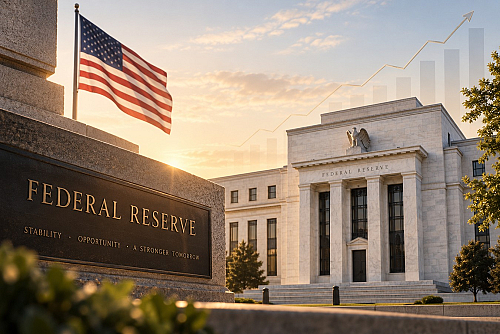
Fed Raises Rates as Inflation Remains Persistent

The ECB’s New Dilemma: Europe Is Growing, but Inflation Is Back
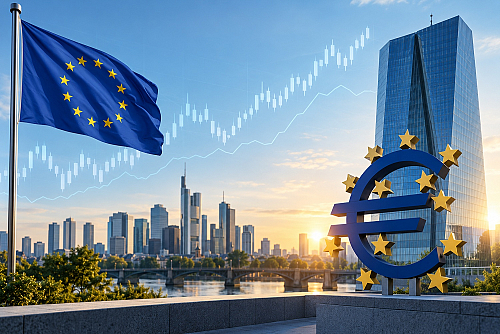
European Equities: Investors Brace for the ECB Decision

International Stock Markets: What to Watch This Week

U.S. Treasury Yields Rise as Inflation and Fiscal Pressures Reshape Bond Markets

European Markets: Trade and Employment Offer Support as Stocks Pause Near Highs

U.S. Inflation Cools in July: What It Means for the Economy

Gold Holds Near Two-Month High as Investors Await U.S. Inflation Data

Financial Markets This Week: Inflation, Consumer Spending and AI Earnings in Focus