Global markets saw a short-lived boost after the U.S. and China agreed to a 90-day pause in their trade war. While the temporary truce, which includes reduced tariffs from both sides, initially sparked investor optimism and lifted equities, enthusiasm faded by Tuesday as broader concerns about long-term economic impact returned.
Key Highlights:
• Market Reaction: Wall Street rallied 3.3% on Monday, but gains slowed by Tuesday. European stocks edged up 0.2%, supported by strong corporate earnings from Bayer and Vestas. U.S. futures dipped 0.4%, showing investor caution.
• Tariff Reductions: The U.S. cut tariffs on Chinese goods from 145% to 30%; China lowered its tariffs on U.S. goods from 125% to 10%. Despite this, U.S. tariff levels remain historically high, Fitch now estimates the effective rate at 13.1%, down from 22.8%.
• Currency Movements: The dollar pulled back after a strong Monday. The euro, yen, and pound all gained slightly. This reflects a broader recalibration away from heavy U.S.-centric investing.
• Investor Sentiment: Analysts see the truce as a temporary relief, not a resolution. Concerns remain about the durability of the agreement and ongoing policy unpredictability from the U.S.
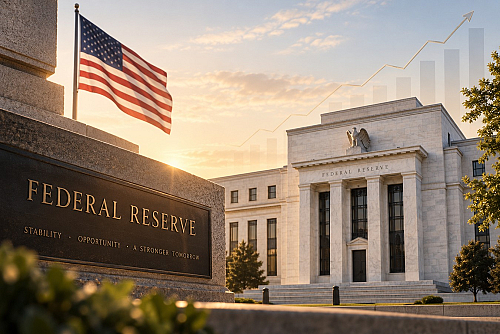
• Impact on Monetary Policy: Reduced trade tensions have lowered expectations for aggressive Federal Reserve rate cuts this year. Markets now expect 58 basis points of cuts, down from over 100 in April.
• Commodities: Oil prices held steady after a Monday jump, while gold stabilized around $3,260 an ounce, following a selloff as risk appetite returned.
Bottom Line: While the U.S.-China trade truce calmed markets momentarily, it hasn’t erased longer-term concerns about economic growth and policy uncertainty. Investors are now watching U.S. inflation data and Fed policy signals for direction.