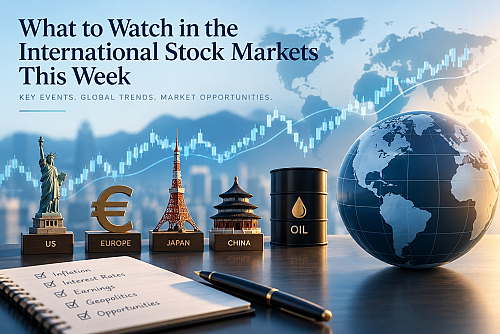
The U.S. is escalating trade tensions with sweeping new tariffs set to take effect on August 1, targeting 14 countries with rates ranging from 25% to 40%. Japan and South Korea, both hit with a 25% tariff, are racing to negotiate softer terms. Japan is pushing for concessions to protect its auto sector while refusing to compromise its agriculture industry. South Korea is also intensifying trade talks in hopes of a “mutually beneficial result.”
President Trump described the August 1 deadline as “firm but not 100% firm,” leaving some room for last-minute diplomacy.
In Europe, the EU is working to finalize a deal that would offer selective concessions, especially in key industries like aviation and medical goods. German officials warned they’re ready to retaliate if talks fail.
Meanwhile, Asian nations like Cambodia and Bangladesh, whose economies depend heavily on exports to the U.S., are reeling. Cambodia saw a partial relief in tariffs, from 49% down to 36%, while Bangladesh, facing a 35% tariff, warned of major economic fallout, particularly for its garment industry.
Economists caution that the global trade disruptions risk fueling stagflation and pressuring governments, especially in Europe, to boost domestic demand in response to weakened global trade flows.