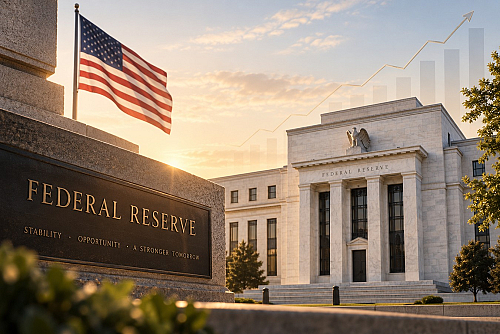
The latest inflation data has sparked a bullish mood on Wall Street, propelling markets into record territory. Investors are increasingly confident, especially in small-cap, emerging-market, and semiconductor stocks, signaling strong expectations for corporate earnings and global growth. This surge comes amid easing fears over tariffs and reinforced hopes that inflation remains manageable.
1. Markets Embrace Risk with Confidence
Following the release of new inflation data, investors flocked to riskier asset classes, small-cap stocks, emerging markets, and semiconductors, all signaling renewed optimism about earnings and global growth prospects.
2. Tariffs Begin to Show Up in Inflation Metrics
June and July data from the Bureau of Labor Statistics (BLS) indicate that tariffs are starting to materialize in inflation figures:
June (year-over-year):
o Headline CPI rose 2.7%, up from 2.4% in May.
o Core CPI (excluding food and energy) increased to 2.9%
July (year-over-year):
o Headline CPI remained steady at 2.7%.
o Core CPI further climbed to 3.1%
Categories like furniture, appliances, toys, and apparel, often tied to imports, are showing pronounced price increases, underscoring the role of tariffs.
3. Tariffs' Economic Ripple Effects
While a one-time tariff hike can spike certain prices, economists warn these effects can propagate:
• Reduced competition may allow domestic producers to raise prices, amplifying inflation beyond just tariff-affected goods.
• Tariffs may also spur broader inflation if wages rise in response or if structural bottlenecks cause persistent pressure.
4. Consumer Behavior as a Moderating Force
Some Federal Reserve officials argue that inflation may remain more contained than feared, as consumers adjust their behavior in response to cost pressures:
• Tom Barkin, President of the Richmond Fed, noted that consumers are switching to cheaper brands (like private-label), trading down, or delaying non-essential purchases—a trend that could limit broad inflationary momentum.
5. Federal Reserve’s Policy Dilemma
The Fed finds itself in a tight spot:
• While inflation remains above the 2% target, the labor market is showing signs of cooling, creating conflicting signals.
• As of mid-July, markets were pricing in a high probability that the Fed would hold rates steady, potentially all the way through September.
Today’s market surge reflects optimism that inflation is manageable and corporate growth remains strong. However, tariff-driven price hikes are becoming evident in key sectors, though consumer adaptation, like trading down, may blunt widespread inflation. The Fed faces a balancing act between high core inflation and a weakening labor market, making future rate paths uncertain.