• Oil prices dipped modestly in Asian markets: Brent crude fell 7 cents to $66.53, September WTI dropped 6 cents to $63.36, and the more active October WTI slipped 9 cents to $62.61.
• Why? Markets are reacting to U.S. President Trump initiating talks between Russia’s Putin and Ukraine’s Zelenskiy, suggesting a potential trilateral summit and easing of tensions, and possibly, sanctions.
• Analyst outlook: Bart Melek (TD Securities) forecasts that if tensions ease and sanctions lift, oil could slide toward $58 per barrel by Q4 2025 or Q1 2026.
• Caution remains: Ukraine and allies fear an agreement might tilt in Russia’s favor, potentially weakening the deal’s legitimacy.
Strategic Context & Broader Market Factors
1. Sanctions & Supply Flow
• A complete lifting of sanctions on Russian oil is required for a meaningful supply increase, but that remains highly unlikely due to entrenched distrust.
• If partial easing occurs, some relief in supply is possible, yet impediments like rerouted exports to China and India, infrastructure damage, and long-term contracts still restrict flow to Europe.
2. Structural Resilience of Energy Markets
• Since 2022, Europe has reduced its reliance on Russian imports; alternatives and new trade patterns cushioned the blow.
• A global supply surplus is emerging, with production outpacing demand through 2026, and growing LNG capabilities enhancing energy security.
3. Political Nuances & Sanctions Strategy
• In the Trump–Putin summit (Alaska, Aug 18), there was alignment toward a peace deal, not just a ceasefire, reducing the immediate risk of new sanctions. That helped stabilize prices.
• Trump also delayed implementing retaliatory tariffs on oil buyers like China, reducing market anxiety about broader disruptions.
4. Macro Influences & Investor Caution
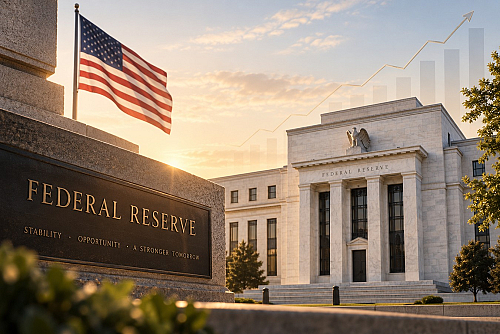
• The markets are also watching upcoming Fed signals (like Powell at Jackson Hole) that could affect demand via interest rate policy.
• Even as the oil market anticipates geopolitical shifts, prevailing sentiment remains balanced, or cautiously bearish, rather than aggressively bullish or bearish.
While geopolitical optimism, like peace talks, can nudge prices downward, the oil markets are fundamentally resilient to these headline shifts. Any real drop hinges on comprehensive sanctions relief and resumed exports to Europe, which remain speculative. At the same time, structural oversupply and lack of infrastructure rebuild suggest that even with détente, oil might only see moderate declines, not a dramatic plunge.