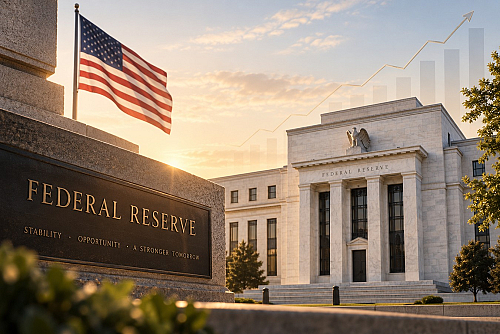
A recent Reuters poll of 75 bond strategists (conducted October 9–13, 2025) finds that long-dated U.S. Treasury yields, especially the 10-year note, are expected to stay stubbornly high despite market expectations of future Federal Reserve cuts.
Key forces keeping yields elevated
• Sticky inflation: Inflation remains well above the Fed’s 2 percent target, making the central bank wary of easing too aggressively.
• Rising fiscal pressures: Large federal deficits and heavy borrowing raise concerns about the supply of U.S. debt and the term premium demanded by investors.
• Fed independence under strain: A government shutdown and political pressures have added uncertainty to monetary policy decision-making.
Yield curve to steepen
While short-term rates (e.g., the 2-year Treasury) are expected to fall modestly in response to projected Fed cuts, the 10-year yield is forecast to remain above 4 percent, potentially climbing to 4.10% in the near term and 4.17% in a year. This divergence would steepen the yield curve, with the spread between 10- and 2-year yields widening from ~50 basis points now to around 82 bps in a year.
Implications and risks
• Elevated long-term yields increase borrowing costs for the U.S. government, potentially crowding out private investment.
• Higher yields can also spill over into mortgage rates, corporate borrowing, and broader credit conditions.
• If the Fed cuts too soon or too much, inflation could reaccelerate, forcing yields even higher. Many strategists believe the 10-year yield is more likely to rise than fall, even in a cutting cycle.