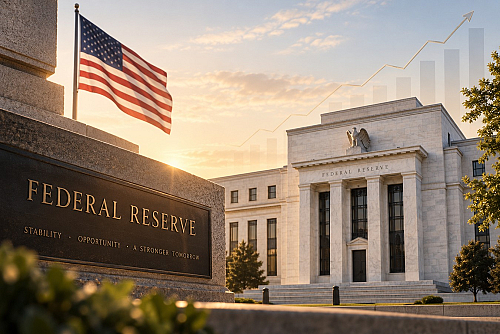
The latest U.S. inflation figures released on 25 June 2026 delivered a reminder that the battle against rising prices is not yet over. The Federal Reserve's preferred inflation measure, the Personal Consumption Expenditures (PCE) Price Index, showed that price pressures strengthened in May, moving further above the central bank's long-term 2% objective.
The increase was driven largely by higher energy costs, while underlying inflation also remained elevated. At the same time, consumer spending and household income continued to grow, suggesting that the U.S. economy remains resilient despite tighter financial conditions.
What It Means for the Economy
Persistent inflation creates a difficult balancing act for policymakers. While economic activity remains healthy, stronger price growth may delay the return to lower interest rates, or even increase the possibility of another rate hike if inflation fails to ease in the coming months. Higher borrowing costs can slow business investment, housing activity, and consumer demand over time.
What It Means for Investors
For investors, the report reinforces the importance of focusing on quality and diversification. Higher interest rates generally support bond yields but can weigh on sectors that rely heavily on inexpensive financing, such as real estate and some high-growth technology companies.
Companies with strong pricing power, solid cash flows, and resilient balance sheets may be better positioned to navigate a prolonged period of elevated inflation. Fixed-income investors may also find attractive opportunities as yields remain higher than they have been in recent years.
Looking Ahead
The inflation report is unlikely to be the final word on monetary policy. Future decisions by the Federal Reserve will depend on whether inflation begins to moderate and whether the labour market shows signs of cooling.
For now, investors should expect continued market sensitivity to economic data. Inflation remains one of the most important drivers of interest rates, asset prices, and investment returns during 2026, making disciplined portfolio management more important than ever.