Japan and the U.S. have agreed to a new trade deal that reduces tariffs on Japanese auto imports from 27.5% to 15%, and cuts duties on other goods from 25% to 15%. Economists view the 15% level as manageable and potentially a benchmark for other ongoing trade negotiations. This agreement is the most significant trade pact under President Trump so far and raises pressure on the EU and China, which face looming tariff deadlines in August.
Financial markets reacted positively, with Japan’s Nikkei index rising 3.5% and European automaker stocks surging. Analysts suggest that a 10 - 15% tariff range may become standard for major economies, though higher levels remain a threat for others, like the EU (up to 30%), Canada (35%), and Brazil (50%).
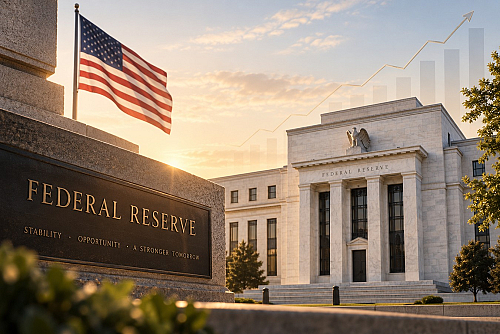
The deal has slightly eased U.S. inflation expectations and could give the Fed more flexibility later in the year, although no rate cut is expected in the near term. China faces a particularly steep tariff risk if no deal is reached by August 12, with rates potentially spiking to 145%. More trade deals are expected soon across Asia, following the Japan agreement.