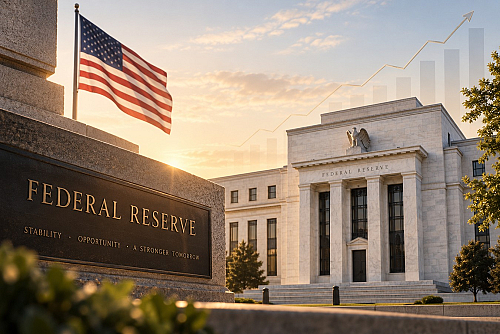
The latest inflation data from the United States showed that price pressures remained stronger than expected in April, reinforcing expectations that the Federal Reserve will keep interest rates unchanged in the near term.
According to the latest Personal Consumption Expenditures (PCE) report, the Fed’s preferred inflation indicator, headline PCE inflation increased by 0.3% month-over-month in April, while annual inflation stood at approximately 2.7%. Core PCE inflation, which excludes food and energy prices and is closely monitored by policymakers, also rose 0.3% during the month and remained elevated at around 2.8% year-over-year.
These figures remain above the Federal Reserve’s long-term inflation target of 2%, highlighting that inflationary pressures continue to persist across the U.S. economy despite aggressive monetary tightening over the past two years.
The data suggests that the path toward lower inflation is proving slower and more uneven than financial markets had hoped earlier this year. Investors have increasingly pushed back expectations for interest rate cuts, with many analysts now expecting the Fed to maintain its benchmark rates at current levels for several more months.
Several factors continue to support inflation, including resilient consumer spending, steady wage growth, and strength in the services sector. Housing-related costs and service inflation also remain sticky, making it difficult for overall inflation to cool rapidly.
Financial markets reacted cautiously following the release. Bond yields remained elevated, while equities traded mixed as investors assessed the possibility of “higher-for-longer” interest rates.
Federal Reserve officials have repeatedly stated that they need stronger evidence that inflation is moving sustainably toward the 2% target before considering monetary easing. The latest PCE figures appear to strengthen the argument for patience from policymakers.
For investors, the environment continues to favor selective positioning. Higher interest rates may continue to pressure rate-sensitive sectors such as real estate and small-cap stocks while fixed-income investments and cash instruments remain attractive due to elevated yields.
As attention turns toward upcoming inflation releases and future Fed meetings, markets are likely to remain highly sensitive to economic data and central bank commentary throughout the remainder of 2026.