Washington, D.C. – On July 31, 2025, President Donald Trump issued an executive order unveiling a sweeping wave of “reciprocal” tariffs on imports from a wide range of countries, effective starting August 7, a seven-day delay from the original August 1 implementation date
The new tariffs span 68–92 countries, including the European Union, with rates ranging from 10% to 41% depending on the country. Canada, already under a 25% tariff, saw its rate increase to 35% citing grievances over fentanyl policy and trade negotiations. India faces a 25% tariff, while Taiwan, South Africa, Brazil, and Switzerland see rates between 20% and 50%.
Economic and Market Reactions
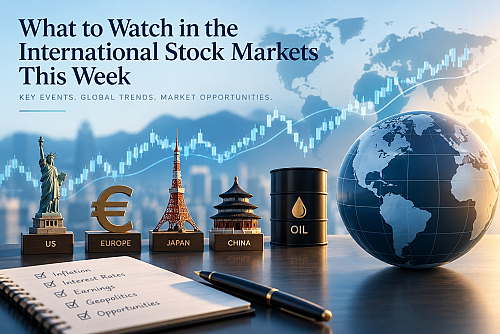
Global markets responded swiftly. Asian stock indices, including the MSCI Asia-Pacific, dropped sharply, marking the steepest weekly decline since April 2025. Japan’s Nikkei, South Korea’s KOSPI, and other regional benchmarks also fell, while U.S. and European futures dipped in anticipation of ongoing trade uncertainty.
Analysts warn that the protectionist measures could exacerbate U.S. inflation and squeeze corporate profit margins. Supply chain disruptions are expected, as businesses brace for deeper economic fragmentation.
Diplomatic Fallout and Trade Negotiations
Several countries responded with disappointment or alarm. Canada’s Prime Minister Mark Carney sharply criticized the 35% tariff, stressing Canada’s limited involvement in U.S. fentanyl imports, and raised the specter of retaliatory duties on American exports. India, facing a near $40 billion exposure to U.S. trade, remains in active negotiations. A U.S. delegation is expected in New Delhi later this month to discuss terms
Meanwhile, markets had some relief knowing the EU, Japan, South Korea, the UK, and others had secured lower or more stable tariff rates, often between 10% to 20%, via negotiated interim deals. Mexico received a temporary 90-day reprieve while trade discussions continue.
What Lies Ahead
With the August 7 deadline now fixed, several federal court challenges loom, most building on previous decisions that found Trump’s use of emergency powers for broad tariff imposition exceeded legal limits. The administration still insists it aims to use the tariffs as leverage for future trade deals, despite opposition and claims that corporate and consumer pain outweigh any real gains.
Trump’s plan to reshape trade dynamics underscores the administration’s continued reliance on tariffs as a tool of geopolitical leverage. But with international pushback, court challenges, and heightened market volatility, this strategy signals a deeply uncertain era ahead for global commerce.