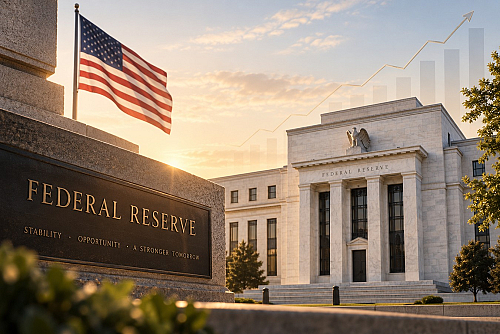
On March 19, 2026, the world’s major central banks- the ECB, Federal Reserve, Bank of England, and Swiss National Bank- delivered a synchronized message: hold rates steady, but remain highly vigilant.
Despite different domestic conditions, policymakers are now aligned around a common challenge, renewed inflation risks driven by the Middle East conflict and energy price shock.
A Coordinated Pause Across Major Economies
• European Central Bank (ECB)
The ECB held its key rate at 2.0%, maintaining a wait-and-see stance. While inflation had recently eased toward target, policymakers warned that surging energy prices could push inflation higher again, revising 2026 projections upward.
• Federal Reserve (Fed)
The Fed kept rates unchanged at 3.50%–3.75%, signaling caution. While the base case still includes gradual easing over the coming years, the current environment, especially energy-driven inflation, justifies patience.
• Bank of England (BoE)
The BoE also held at 3.75%, in a unanimous decision. However, its tone was notably more hawkish, warning that inflation could reaccelerate toward ~3.5%, with markets now pricing potential rate hikes later in 2026.
• Swiss National Bank (SNB)
The SNB maintained its policy rate at 0%, reflecting Switzerland’s lower inflation environment. Instead of tightening, it signaled readiness to intervene in FX markets to prevent excessive Swiss franc strength.
The Key Driver: Energy Shock and Inflation Uncertainty
Across all four institutions, one factor dominates the policy narrative:
The inflationary impact of rising oil and gas prices is linked to geopolitical tensions.
• Oil prices briefly surged above $100–$119 per barrel
• European gas prices spiked sharply
• Inflation forecasts are being revised upward again
This creates a policy dilemma:
• Tighten too early → risk slowing already fragile growth
• Ease too soon → risk reigniting inflation
Market Implications: From Cuts to Potential Hikes
Only weeks ago, markets expected rate cuts in 2026.
Now, the narrative is shifting:
• Fewer or delayed cuts from the Fed
• Possible hikes from the BoE and ECB later this year
• Increased volatility in FX and rates markets
This repricing reflects a broader shift toward a “higher-for-longer, with upside risks” scenario.
Bottom Line
The March 19 decisions mark a turning point:
Central banks are no longer confidently moving toward easing; instead, they are re-entering a defensive stance.
For investors, this reinforces three themes:
1. Policy uncertainty is back
2. Inflation is not fully defeated
3. Geopolitics is once again a key macro driver