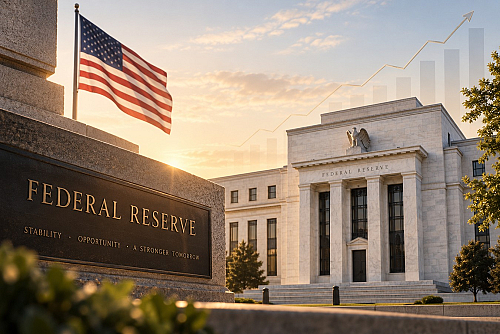
The latest U.S. inflation data for February 2026 showed that price pressures remained relatively stable, offering some reassurance to investors. However, the market reaction was muted as traders weighed geopolitical risks and the outlook for energy prices.
Inflation Data Comes in as Expected
According to the latest Consumer Price Index (CPI) report from the U.S. Bureau of Labor Statistics, headline inflation rose 0.3% month-over-month in February, slightly higher than January’s 0.2% increase. On an annual basis, CPI remained unchanged at 2.4%, matching economists’ expectations.
Core inflation, which excludes the more volatile food and energy components, increased 0.2% during the month and stood at 2.5% year-over-year, also broadly in line with forecasts.
The figures suggest that inflation continues to gradually cool compared with the highs seen earlier in the decade, although it still remains slightly above the Federal Reserve’s 2% target.
Market Reaction: Mixed Performance
Financial markets reacted cautiously to the data, as the numbers did not significantly alter expectations for U.S. monetary policy.
• The Dow Jones Industrial Average fell around 0.7%.
• The S&P 500 slipped roughly 0.2%.
• The Nasdaq Composite managed a small gain of about 0.2%, supported by technology stocks.
Meanwhile, the U.S. dollar edged slightly higher, reflecting modest expectations that interest rates may remain elevated for longer.
Overall, the muted reaction reflected the fact that the CPI report contained few surprises, with inflation landing almost exactly where economists had predicted.
Energy Prices and Geopolitics Dominate the Outlook
Despite the steady inflation reading, investors remain focused on the potential inflationary impact of rising energy prices. Recent geopolitical tensions in the Middle East have pushed crude oil prices sharply higher, which could feed into future inflation readings.
Because the February CPI data largely reflects price conditions before the latest energy spike, many analysts believe the March inflation report could show stronger price pressures.
What It Means for the Federal Reserve
For now, the February data support the view that inflation is stable but not fully under control. As a result, the Federal Reserve is likely to remain cautious about cutting interest rates too quickly, especially if energy prices continue to climb.
In short, the CPI report offered a temporary sense of stability for markets, but investors remain highly sensitive to geopolitical developments and their potential impact on inflation in the months ahead.