As of Wednesday, August 27, 2025, Nvidia is set to release its second-quarter earnings after U.S. markets close, an event closely watched by investors as a potential turning point for the AI-pumped rally in technology stocks.
AI Fever and Market Tailwinds
Nvidia’s meteoric ascent has made it the world’s most valuable company, with a market capitalization recently soaring above $4 trillion, and it has been a primary engine in driving gains across the S&P 500. The AI trade’s success has also lifted related stocks like Palantir, Broadcom, and AMD. At the same time, companies in infrastructure sectors, such as utilities, have benefited from projected energy demands tied to data centers.
Doubts Amid Overvaluation and Concentration Risks
Despite the headwinds, analysts are sounding caution: the S&P 500 and tech sector’s price-to-earnings ratios now hover around 40% and 36% above their long-term averages, respectively, raising alarms over excessive valuation and market concentration. The top ten AI stocks now account for about one-third of the S&P 500’s total value, underscoring the narrowing breadth of market gains.
Volatility Ahead: What Investors Are Watching
Options markets anticipate a sizeable $260 billion swing in Nvidia’s valuation following the earnings release, implying as much as a 6% stock move in either direction, slightly below the historical trend.
China Exposure Under the Microscope
Investors are especially focused on Nvidia’s China operations, which accounted for roughly 13% of its revenue last year. A controversial deal with the U.S. government, requiring Nvidia to pay 15% of its China sales in exchange for export licenses, has raised both investor scrutiny and international tensions.
Beijing’s response has been swift: efforts to curb Nvidia purchases and accelerate domestic AI chip development are underway. Reports suggest Nvidia has halted some production of its China-specific H20 chips. At the same time, analysts project that U.S. export restrictions could cut up to $8 billion in July-quarter sales, potentially shaving one percentage point off gross margins, which are now expected to fall to around 72.1% for Q2.
Macro Backdrop: Fed Turmoil and Rate Outlook
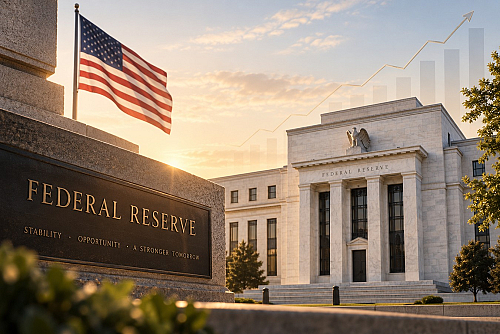
Nvidia’s earnings arrive amid heightened geopolitical and macroeconomic volatility. U.S. political turbulence, particularly an attempted dismissal of a Federal Reserve governor, has rattled markets and raised doubts about the central bank’s independence. In response, short-term Treasury yields have dropped, futures traders are pricing in an 84% chance of a rate cut in September, and over 100 basis points of easing by mid-2026 are on the table. This environment sets the stage for Nvidia’s results to either reinforce or unravel the prevailing bullish narrative.
Why This Earnings Report Matters
Nvidia isn't just reporting earnings, it’s offering a health check on the entire AI-fueled market rally. Strong results may reinforce investor confidence, not only for Nvidia but across the tech sector. A weaker showing, however, could trigger sharp corrections in overheated valuations and test whether AI enthusiasm is sustainable.